Queer ecology is a vibrant and rapidly evolving field, exploring the astonishing diversity of sexes and sexual repertoires found among plants and animals. For some, this has been a revelation. Yet many of the queer creatures and sex-variant natural phenomena investigated by queer ecologists were documented by Victorian naturalists and formed an integral part of Charles Darwin’s evolutionary theory. In this talk, Dr Ross Brooks looks beyond the prejudices and stereotypes that later came to cloud our view of the life sciences. Discover how gynandromorphs, sex-limited polymorphism, and a hen-feathered cockerel named Hector long ago made ecology queer — and continue to transform how we think about the nature of sex today.
About the speaker
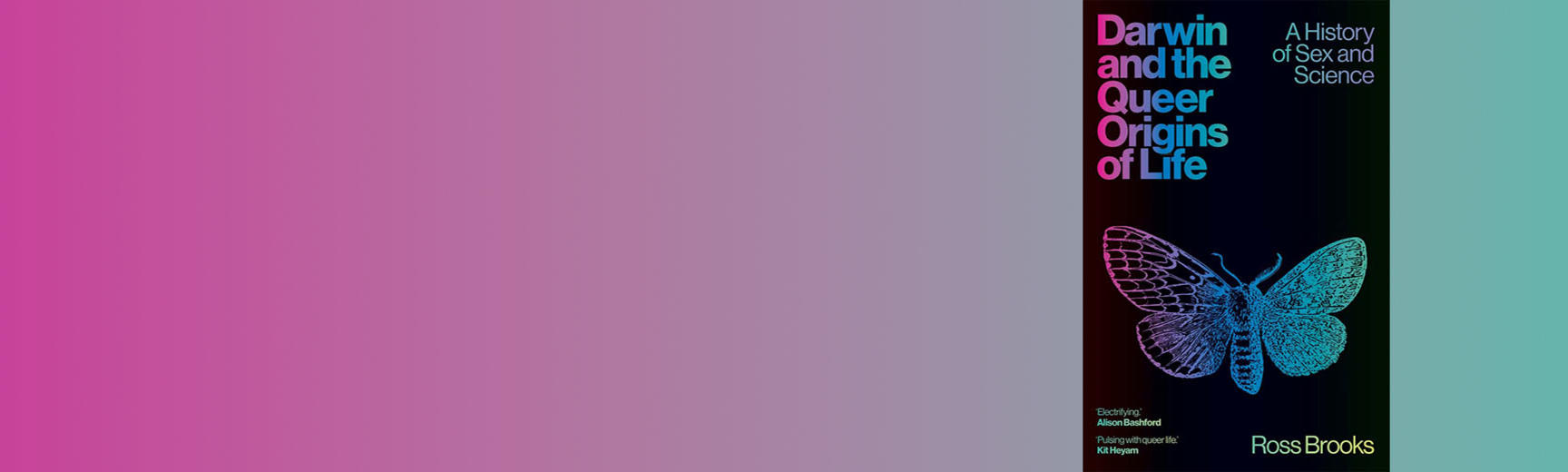
Dr Ross Brooks (he/him/they) makes a welcome return to the Museum. For over twenty years he has developed queer approaches to the history of science, publishing widely on the subject in academic journals, popular magazines, and newspapers. He regularly speaks at events across the UK and in the US, and appears in the pioneering nature documentary Queer Planet. This talk marks the publication of his first book, Darwin and the Queer Origins of Life: A History of Sex and Science (Yale University Press). Copies will be available to buy at the event.