About the event
Dogs were domesticated from wolves nearly 20,000 years ago. Due to extensive human selection, modern breeds are characterized by distinct shapes, sizes and behaviours, reflecting canine progression from domestication through early functional dogs to modern breeds.
The Ostrander lab is interested in understanding the role that genomic variation plays in canine morphology, behaviour and disease susceptibility. By analysing the genome sequence of thousands of dogs, representing over 350 breeds, it shows that most breed-defining traits, such as body size and head shape are controlled by small numbers of genes of large effect, and that most are also relevant for human health and biology. In addition, studies of dog behaviour reveal a vocabulary for understanding the stereotypical behaviours we see across breeds. Canines have proven vital to human survival for thousands of years, and the analyses summarized here highlights the role that "man's best friend" continues to play in our hearts and homes.
About the speaker
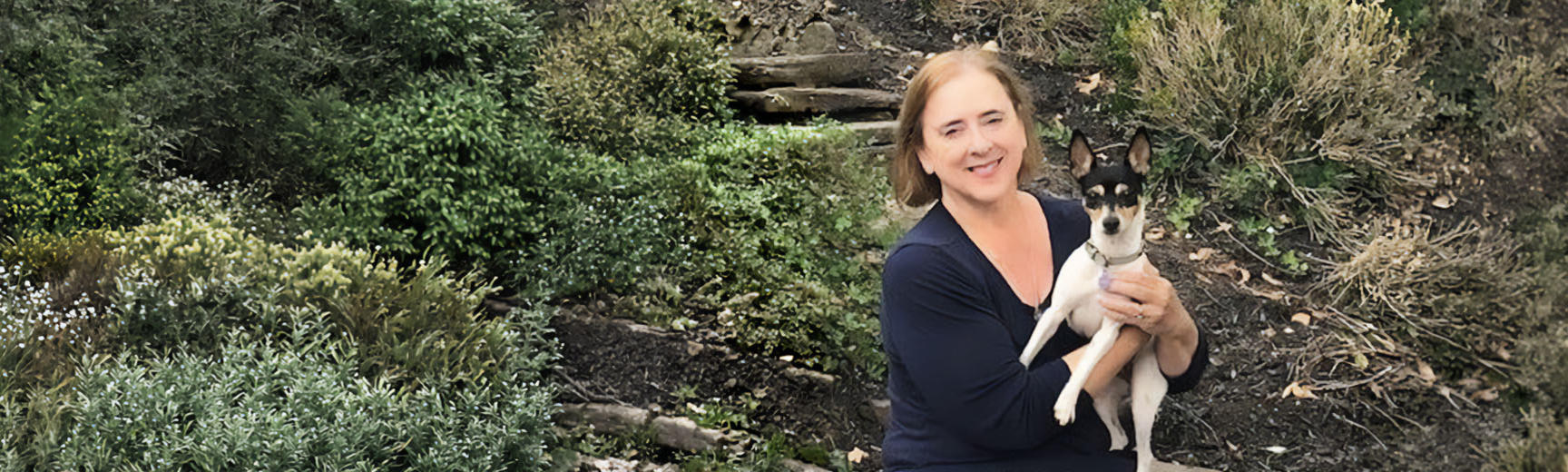
Elaine Ostrander is NIH Distinguished Investigator and Chief at the National Human Genome Research Institute. Elaine is a geneticist recognised for her work on advancing the dog as a genetic system for studies of morphology, disease susceptibility and behavioural variation. She has identified genes and variants controlling breed-specific variation observed across domestic dog breeds.
The Ostrander lab also studies breed-specific diseases, most of which are the same as or mimic human disorders, with a particular emphasis on cancer. By understanding the genetic underpinnings of such diseases, her lab has advanced studies of similar human disorders and enhanced the utility of the dog as a system for studies of all aspects of cancer.
Accessibility information
| Wheelchair accessible? |
Yes |
| Hearing loops? |
Yes |
| Seating? |
Yes |
| Refreshments? |
No |
| Flashing lights? |
No |
| Loud noises? |
No |
For more information, please visit our accessibility webpage.