

Colour Communicates
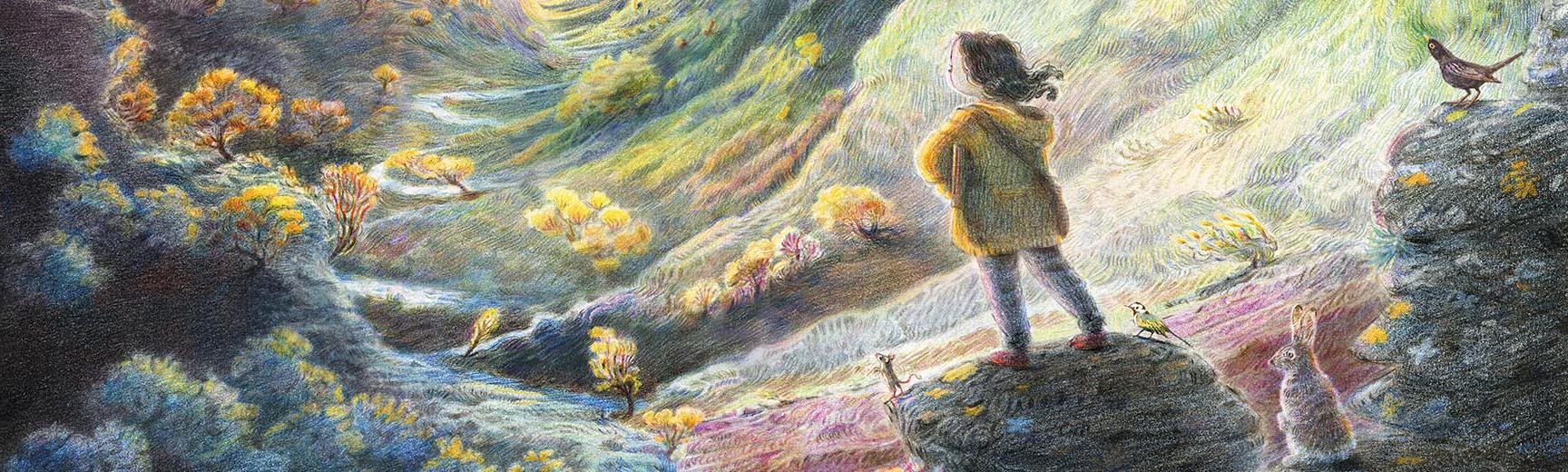
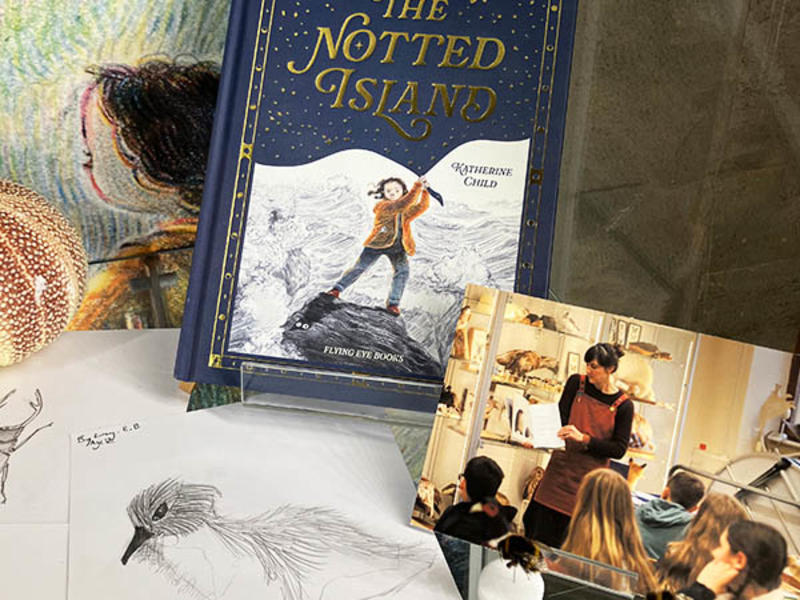
In October half term the museum hosted drawing workshops around the theme of colour. The workshops were run by writer, illustrator, and former museum staff member Katherine Child, alongside members of the Museum’s education team. Katherine’s first book 'The Notted Island', took inspiration from the museum, and the theme of colour in the story lent itself to the idea for the workshops.
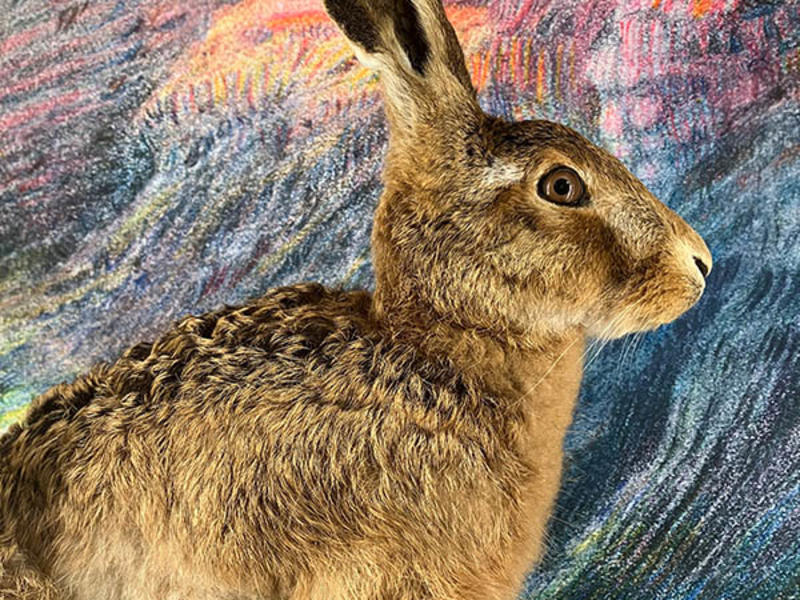
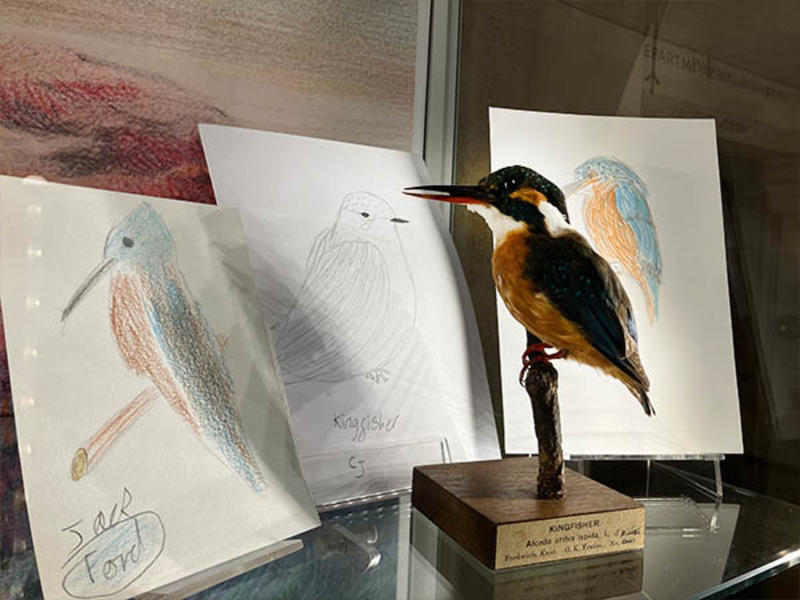
This display shows work produced by 9 – 13-year-olds who were asked to think about the ways animals send signals and messages with colour. The participants also learned how illustrators can use colour to aid storytelling. Participants drew specimens from the museum’s collection, paying attention to what the animal might be communicating, and how it might use colour to do so. Some work was realistic, while other drawings used exaggeration or changed the animal's hue to communicate different messages!
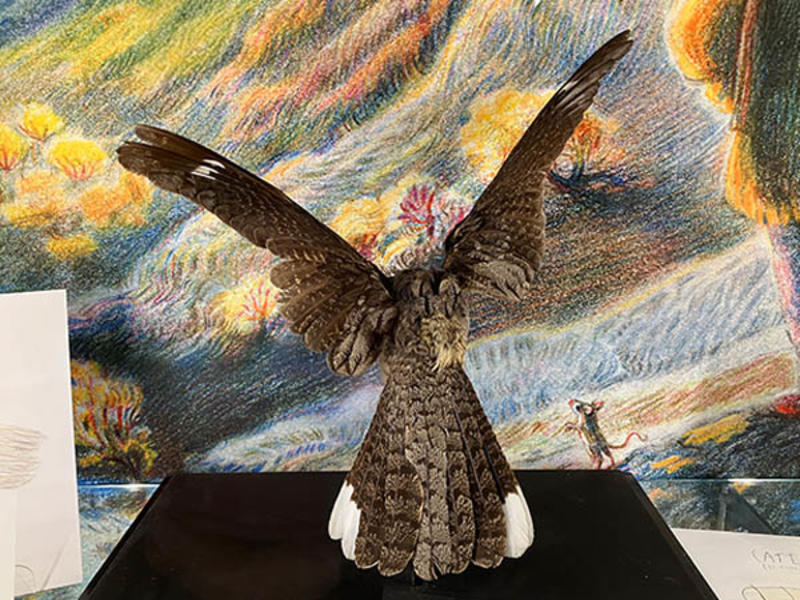
Animals communicate using colour in a variety of ways. Many use bright colours and bold patterns to advertise the fact that they taste bad, are poisonous, or harmful in other ways. Bees and wasps are an example of this. Some animals, such as peacocks, use dazzling colours to try and attract a mate. Other animals take the opposite approach and use colour to blend in with their surroundings. A nightjar's mottled brown plumage is ideal for hiding amongst vegetation.
Using colour is a good way for illustrators to communicate mood or feeling in a picture. Different colours come with different associations depending on where you live in the world. Here, we tend to associate blue with sadness for instance and red with passion. Colours can be exaggerated or subdued to make a scene feel chaotic or calm. Illustrators can use colour to link different parts of an image. Two characters looking at each other across a crowded scene could be picked out in the same shades to show they are connected.
Katherine's book, 'The Notted Island', is available in the Museum shop.
A selection of images from the case