


Soft Bodied Sensations from the Herefordshire Lagerstätte
About the event
Derek J. Siveter
Emeritus Professor of Earth Sciences, Honorary Research Associate,
Oxford University Museum of Natural History
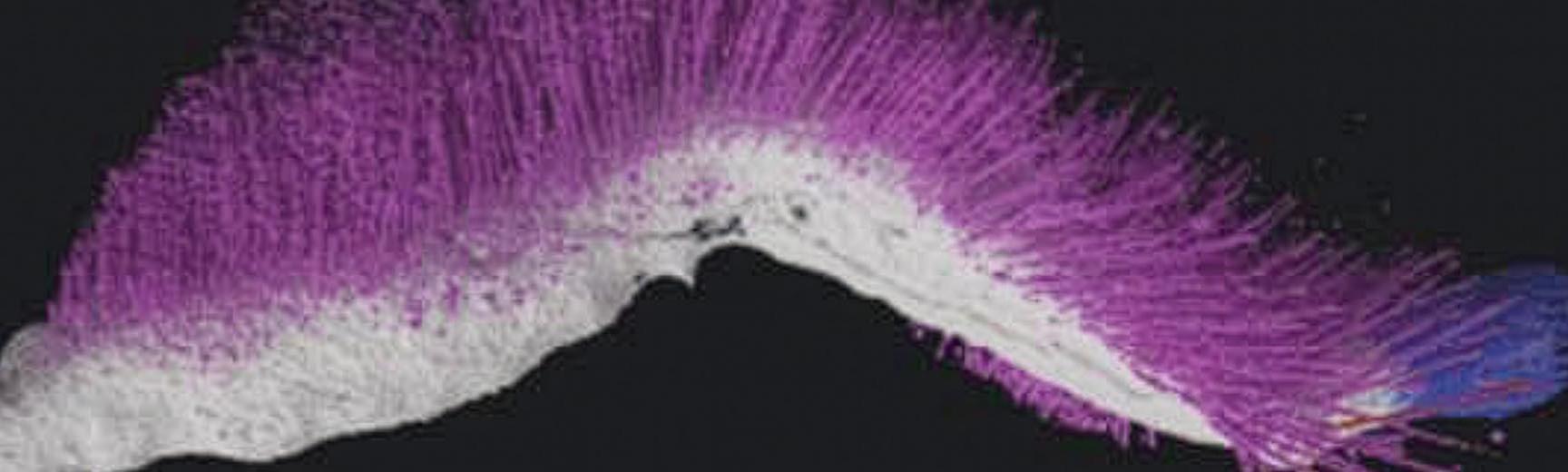
The Herefordshire Lagerstätte is a globally important fossil deposit of mid-Silurian age (about 430 million years ago). The fossils, hosted in nodules in a volcaniclastic layer, represent a richly diverse invertebrate fauna which are exquisitely preserved, including their soft parts, in the round.
They are studied mostly through use of physical-optical tomography. Digital images are combined by computer to reconstruct the animal as a three-dimensional virtual model that can be examined interactively on screen. The digital data can also be used to generate a physical model of the fossil.
Soft-bodied fossils belonging to the Cambrian Period have been fundamental for our understanding of the early evolution of animal life during the ‘Cambrian Explosion’ event. However, soft-bodied faunas from the Silurian are very rare, and the Herefordshire fossils are contributing much to our knowledge of the palaeobiology and evolution of various major invertebrate groups of this period and to the early history of life on Earth..

Accessibility information
| Wheelchair accessible? | Yes |
| Hearing loops? | Yes |
| Seating? | Yes |
| Refreshments? | No |
| Flashing lights? | No |
| Loud noises? | No |
For more information, please visit our accessibility webpage.

