


When Young People Lead Science
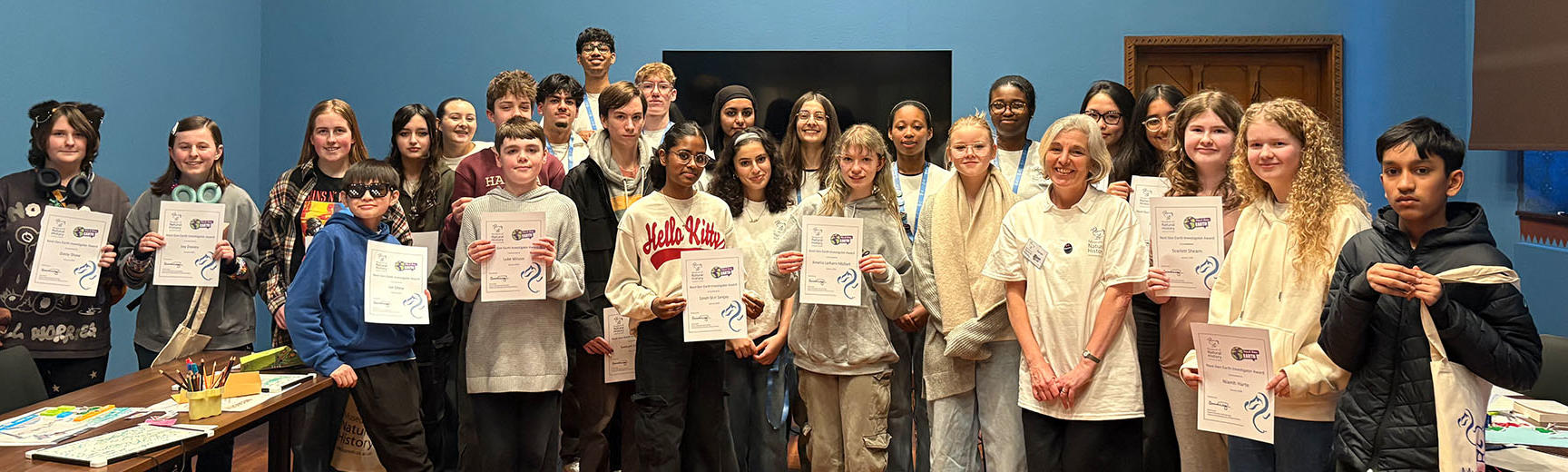
What happens when you give young people real responsibility, real science, and real trust?
In January 2026, we found out.
The Next Generation Earth Investigators program brought together 8 youth advocates (aged 16–19) and 16 young participants (aged 13–16) for four Saturdays of hands-on, peer-led environmental science at Oxford University Museum of Natural History. From sustainable food systems to megacities, the program explored how science, society, and decision-making collide, and it did so with creativity, confidence, and a lot of laughter.
What made this program special wasn’t just the topics. It was who led them.
Our youth advocates were recruited from our existing youth community, young people who already had a relationship with the Museum and with each other. That foundation made a difference. From the very first session, advocates stepped into leadership with authority, warmth, and scientific confidence that surprised everyone (including us).
They were trained to design and deliver their own sessions through a series of workshops led by museum staff and university scientists working on NERC (Natural Environment Research Council) topics. To ensure the training reflected their interests, session themes were selected by the advocates through a structured selection process. The chosen sessions and their leads were:
- Chloe Harper (Biology postgraduate student): Crops for the Future
- Zihan Li (Biology postgraduate student): Superfood for the Future
- Mahnoor Kamran (Geography student): A Spotlight on Climate Justice
- Sarah Raymond (Biology researcher): Highways and Habitats
- Bethan Wallace (Biology graduate student): The Power of Predators
Building on these themes, participants developed and delivered their own sessions, incorporating activities they were most interested in. Here are the sessions and their Advocate leads.
Advocate Sessions
Sustainable Consumption - Nicole and Sienna (Youth Advocate Leads)
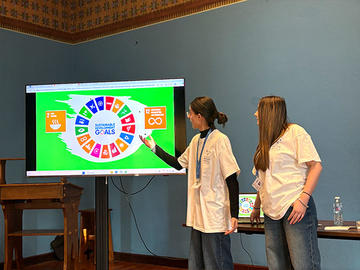
This session explored the environmental and social challenges surrounding modern food production, with a particular focus on climate change. Through a mix of mini-lectures and interactive activities, participants examined food miles using a team-based guessing game, visualised global supply chains, and discussed why food travels such long distances.
A role-play debate encouraged participants to consider different perspectives, including a cocoa farmer, a TNC representative and an environmental scientist, when shaping government policy. The session also examined the ecological impacts of farming, the role of pollinators, and wider political debates around palm oil and industrial meat production.
To conclude, participants designed their own sustainable menus, presenting creative and thoughtful solutions. The session combined critical thinking, empathy and collaboration, creating a dynamic and engaging learning experience.
Highways and Habitats - Ewan and Samrah (Youth Advocate Leads)
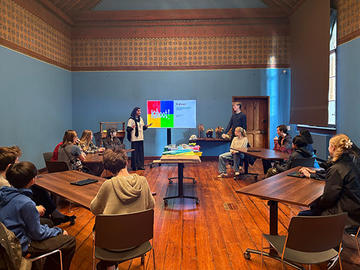
This interactive session examined the impact of roads on wildlife and ecosystems. After a short introductory quiz, participants worked in groups to build ancient UK ecosystems using arts and crafts materials. They then added roads to their models, discussing how infrastructure affects habitats and biodiversity. Groups developed solutions by incorporating wildlife-friendly safety features, exploring how development and conservation can coexist. Participants also ranked species by their likelihood of becoming roadkill, justifying their reasoning, before completing a creative museum challenge imagining unusual reasons for animal vulnerability. The session encouraged teamwork, critical thinking and creativity, while highlighting the environmental consequences of human infrastructure and the importance of designing spaces that are safer for wildlife.
Predator and Prey - Noor and Yuvraj (Youth Advocate Leads)
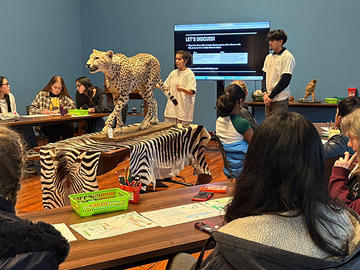
This session explored predator–prey relationships and their impact on ecosystems, helping participants deepen their understanding of how species interactions shape ecological balance. The session began with an introduction to trophic levels, drawing directly on the scientific training delivered to our youth advocates earlier in the programme, a direct example of that knowledge being put into practice.
A range of interactive activities followed, including a Kahoot quiz, debates, Top Trumps-style gameplay, and creative comic design. Through these activities, participants explored how predator and prey roles can shift depending on context and what happens when species are introduced or removed from ecosystems.
One of the most engaging moments came when participants designed their own comic strips imagining the reintroduction of a predator into a modern British ecosystem. This sparked thoughtful discussion about ecological consequences while also bringing together art, natural history, and science in a fun and accessible way. The session concluded with a mini gallery moment, where everyone had the chance to view and comment on each other’s work.
Sustainable Megacities - Cheri and Nevaeh (Youth Advocate leads)
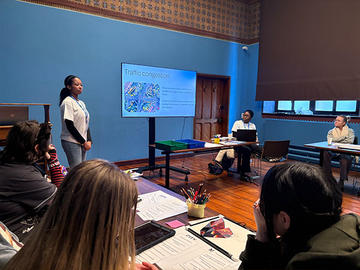
This session explored what makes a megacity and how sustainable our rapidly growing urban spaces really are. Beginning with a discussion of how megacities are defined, the session moved into examining the different forms of pollution and environmental pressures they generate, from traffic congestion and overcrowding to different pollutions. Participants were encouraged not only to identify problems but to think critically about solutions. Through collaborative brainstorming and discussion, they explored how cities could be redesigned to better balance environmental, social, and economic needs. The session sparked thoughtful debates around ethics, power, and what an 'ideal' sustainable city might look like. The highlight of the session was the hands-on activity where participants designed and built their own sustainable megacities. This practical element was particularly well received and provided an interesting comparative lens with the earlier ecosystem-building session, allowing participants to reflect on similarities and differences between natural and built systems.
Attendee Quotes
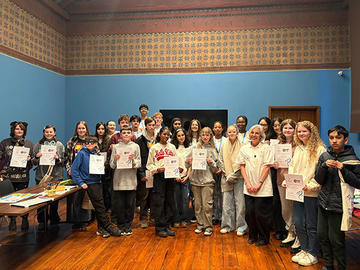
Here are some quotes by our attending Investigators:
"The girls really enjoyed the session and are really loving the time they are getting to spend at the Museum."
"I loved every minute of it."
"It was such a fun experience… great being able to work with everyone and learn new things each week."
"It’s helped me explore careers in environmental sciences a bit more."
"They will want to be involved in anything and everything you offer."
"He loves it at the Museum and learning new things."
"It really does foster such a love for natural history."
"These Museum opportunities have genuinely helped me so much."
Demand for the program exceeded capacity, reinforcing the need and opportunity to scale. With more time, more data support, and longer delivery periods, our Investigators has the potential to become a flagship youth leadership and science engagement pathway.
Most importantly, it strengthened relationships not just for a month, but for the long term. These are young people we hope will remain connected to the museum as students, professionals, and future leaders.
Because the future of science doesn’t just need knowledge. It needs people who care.
Project and funders
This special edition was part of Next Generation Earth, a national collaboration led by the Association for Science and Discovery Centres (ASDC) and funded by NERC (UKRI). The initiative supports inclusive, youth-led opportunities that connect young people with environmental science. We are grateful for their support!

